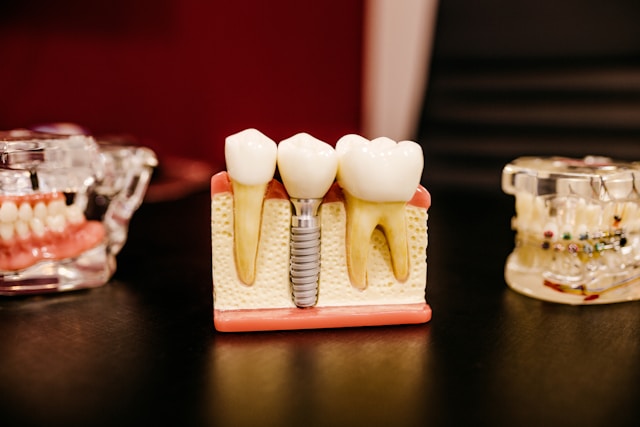
Full-mouth dental implants are designed for individuals who have lost most or all of their teeth, offering a durable, effective alternative to traditional dentures. These implants, typically made from titanium or zirconia, provide a permanent, stable foundation for custom-crafted artificial teeth. They mimic the function and appearance of natural teeth, leading to improved comfort, chewing, and confidence. For patients seeking solutions in Missouri, full mouth dental implants St. Louis, MO, provide access to expert care and advanced implant options.
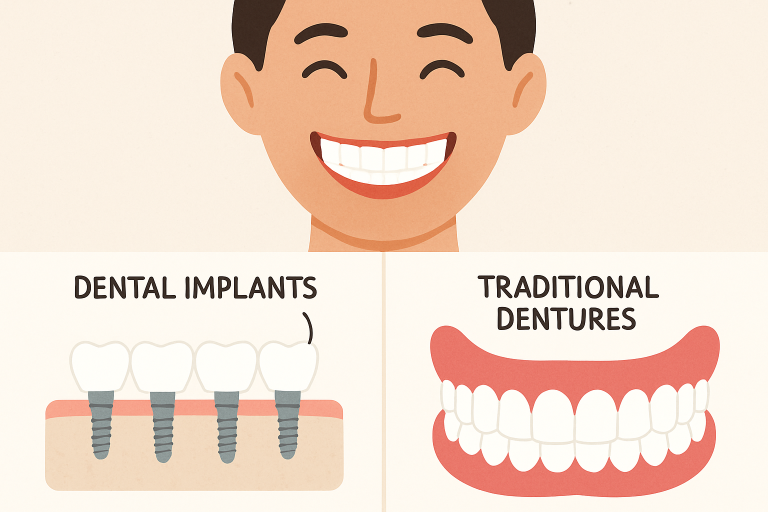
Unlike removable dentures, full mouth implants are anchored securely in the jawbone. This integration helps prevent bone loss, maintains facial structure, and eliminates the slipping and discomfort common with conventional dentures. Many patients opt for the All-on-4 technique, which strategically places four implants per arch and supports a full set of prosthetic teeth.
Breaking Down the Costs
The price of full-mouth dental implants is influenced by several factors, including the chosen surgical method, the number of implants required, and the materials used for the prosthetic teeth. On average, the All-on-4 procedure can cost between $15,000 and $30,000 per arch. For both upper and lower arches, the total investment generally ranges from $30,000 to $60,000.
More comprehensive restoration plans that require additional implants or premium materials, such as zirconia, will push costs even higher. It’s essential to work closely with your dental care provider to ensure an accurate estimate based on your unique needs.
Factors Influencing the Price
- Number of Implants: The more implants needed, the higher the overall cost.
- Material Quality: Options like zirconia offer improved aesthetics and durability, but at a premium price.
- Additional Procedures: Treatments such as bone grafting or sinus lifts may be necessary, especially if bone density is insufficient.
- Geographic Location: Costs vary by region and local cost of living.
- Professional Expertise: Renowned specialists and experienced surgeons may charge higher fees for their advanced skill sets.
Comparing Alternatives
Before committing to full mouth dental implants, it’s worthwhile to review alternative tooth replacement options:
- Traditional Dentures: While the up-front cost is lower, removable dentures often require adjustments, relining, or replacement every few years. This can make them less cost-effective in the long term.
- Dental Bridges: Typically used when only a few teeth are missing, bridges are less suitable for full-mouth restoration and may affect adjacent natural teeth.
The comfort, aesthetics, and maintenance requirements of these alternatives should be carefully weighed against the long-term benefits of implants.
Long-Term Benefits and Value
While the initial investment in full mouth dental implants may seem daunting, the long-term rewards can be transformative:
- Durability: Dental implants are designed to last decades, or even a lifetime, with consistent care and maintenance.
- Improved Oral Health: Implants help preserve jawbone integrity, protect remaining teeth, and promote healthier gums.
- Enhanced Lifestyle: Patients enjoy restored eating, speaking, and smiling functions, boosting confidence and quality of life.
For many, these benefits offer peace of mind and outweigh the financial commitment, particularly when compared to the recurring expenses of traditional alternatives.
Insurance and Financing Options
Dental insurance coverage for implants continues to evolve, with some providers now offering partial reimbursement. While insurance rarely covers the full cost of full mouth implants, patients can often find ways to offset expenses. According to Investopedia, strategies such as thorough policy review, proper documentation, and clear communication with your provider can help maximize coverage. Many dental clinics also provide flexible payment plans, including third-party financing and in-house options, to help patients manage costs. It’s recommended to discuss potential payment strategies with your provider and review the specifics of your insurance policy before beginning treatment.
Making an Informed Decision
Choosing to invest in full mouth dental implants is a significant and personal decision. Weigh the upfront costs alongside the lifetime value, comfort, and oral health benefits. Consulting with an experienced implant specialist provides personalized guidance and supports informed decision-making. Evaluating reviews, seeking second opinions, and understanding each step of the treatment process are also essential.
Conclusion
Full mouth dental implants are a transformative investment for individuals facing extensive tooth loss. The initial expense is considerable, but the long-term rewards—improved stability, function, aesthetics, and oral health—often make the investment worthwhile. By conducting thorough research, exploring financing options, and consulting trusted professionals, you can make a choice that significantly enhances your dental well-being and overall quality of life.