Starting a Radio Station: Launching your own radio station is a thrilling venture that opens up new opportunities for creativity, entertainment, and reaching listeners locally or around the world. One of the most crucial decisions you’ll make in this process is picking the right equipment. The quality of your broadcasting tool kit can make the difference between amateur-sounding audio and a professional, reliable stream that hooks your audience from day one.
The correct set of gear not only ensures clear and crisp sound for your listeners but also streamlines your workflow, helping you avoid frustrating technical hiccups and costly upgrades down the road. Whether you are building a physical studio or broadcasting from home, understanding the essentials and how to put them together will give your station the best start possible.
Essential Equipment for Your Radio Station
To begin broadcasting, you’ll need a core group of devices that work together seamlessly. Here’s what’s fundamental for any station, whether you’re planning a talk show, music format, or a combination of both:
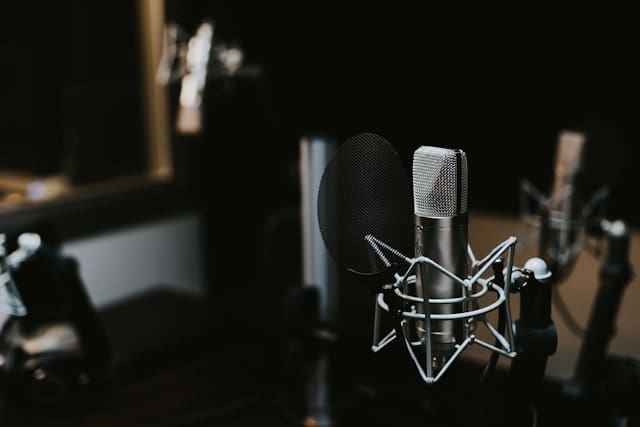
- Microphones: The main instrument for capturing your voice. Dynamic models are great for durability and live broadcast situations, while condenser mics capture a richer sound in controlled, quieter environments.
- Mixing Console: Lets you integrate and balance multiple audio sources, such as music, calls, and live commentaries, before sending the combined output to your broadcast software or server.
- Audio Interface: Converts your analog mic signal into digital audio, ensuring your PC or Mac accurately transmits every word and note.
- Headphones: Monitoring your sound in real time helps catch problems early and manage your audio quality as you broadcast.
- Broadcasting Software: This manages your playlists, live voice input, transitions, and ultimately streams your radio show to your audience.
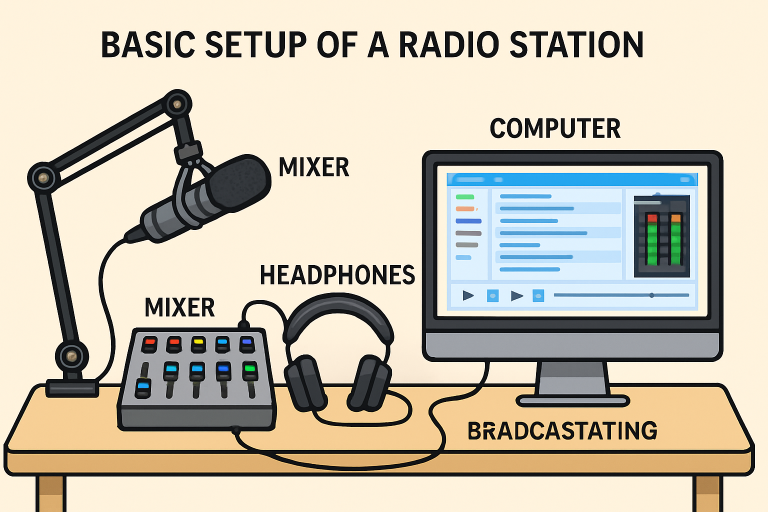
Choosing equipment from respected brands and proven models, such as the Shure SM7B for microphones or the Behringer DX2000USB Pro Mixer, offers proven reliability and high performance for new broadcasters. For an in-depth guide to broadcasting essentials, resources like Live365 provide expert recommendations for microphones and studio gear.
Selecting the Right Microphone
The microphone is the first link in your audio chain, and selecting the right one can significantly enhance the quality of your station. Dynamic microphones are prized for their resilience and ability to block out unwanted background noise, making them a favorite for interviews and studio sessions that lack soundproofing. In contrast, condenser microphones offer a broader frequency range and richer detail, ideal for high-fidelity studio broadcasts or music shows.
When shopping for microphones, focus on recognized brands such as Shure, Audio-Technica, or Rode, which professionals highly regard. Evaluate the space and format of your show—dynamic for practical everyday use, condenser for crystal-clear studio recordings—before making your selection.
Importance of a Quality Mixing Console
Starting a Radio Station: Your mixer or mixing console is where individual sound sources—such as talk, music, and interviews—are combined, shaped, and controlled. Consider the number of channels, the quality of onboard preamps, and the flexibility of inputs and outputs when choosing. Models like the Behringer DX2000USB offer ample connection options and easy integration with digital broadcast platforms.
Many starters underestimate the value of a sound mixer in simplifying their workflow, reducing echo and feedback, and enabling live effects, from subtle audio enhancements to full-on jingles and transitions.
Choosing the Right Broadcasting Software
Radio automation and streaming software ties your studio together, allowing pre-recorded segments, live DJing, automatic schedule switching, and real-time listener stats. Solutions such as SAM Broadcaster and Radio.co are popular for their stable performance and user-friendly interfaces, catering to both hobbyists and seasoned broadcasters alike. Seasoned pros sometimes integrate open-source solutions for flexibility, but hosted platforms offer security and technical support.
For further research and perspectives on the best broadcast software and tips for going live, consider exploring the resources on Broadcasting & Cable, an established industry source.
Budgeting and Sourcing Equipment
Most new stations can be outfitted for under $5,000, with careful allocation of funds for the most mission-critical gear: microphones, mixer, interface, and software. Avoid cutting costs on items that directly affect sound quality. Used or refurbished gear from trusted resellers can stretch your budget, but always inspect and test before committing. Set aside a portion of your budget for unexpected expenses or quick replacement parts.
Setting Up Your Studio Space
Acoustic treatment is every bit as vital as your hardware. Choose a quiet, low-traffic room. Covering walls with acoustic foam, carpets, or heavy curtains absorbs echoes and blocks outside sounds, enhancing broadcast clarity. The ergonomic arrangement of your desk, mic, mixer, and screens makes it easier to work long hours and focus on your content, rather than the controls.
Legal Considerations and Licensing
Radio broadcasting is subject to local, regional, and national regulations. You’ll need an operating license—often involving a technical check and payment—and a music license to lawfully broadcast commercial tracks. The process varies by country; therefore, please check with your national communications authority or consult a lawyer familiar with broadcasting law. Compliance protects your investment and reputation from potential legal disputes in the future.
Testing and Going Live
Starting a Radio Station: Before your big debut, spend ample time testing your setup to ensure it’s ready. Run mock broadcasts, check every audio connection, and verify software settings to ensure optimal performance. Solicit honest feedback from friends or collaborators during test streams to identify any weaknesses. Rehearse your workflow so you handle glitches quickly and keep your focus on content delivery when the time comes to go live.
Building a radio station is a rewarding challenge that combines technical skills and creative vision. By understanding your equipment options, carefully preparing your studio environment, and managing your investment wisely, you’ll set the stage for a successful launch and long-term growth in the exciting world of broadcast radio.