
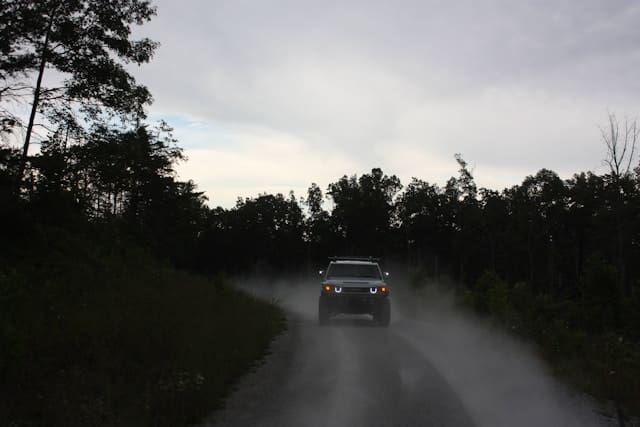
Snow and mud demand far more from wheels than clear pavement ever does, exposing every weakness in Wheel Construction and material choice. Slushy roads laced with salt, deep ruts filled with ice, and mud that clings with suction push rims to their limits. In these conditions, flaws appear quickly, and durability becomes the measure of survival.
For drivers and fleet operators alike, construction determines outcomes under pressure. The way a wheel is cast, forged, or reinforced influences performance as much as acceleration or braking. Every element—from material density to protective coatings—shapes how well wheels resist corrosion, impacts, and seasonal punishment when reliability is non-negotiable.
Material Construction and Real-World Durability
Aluminum alloy wheels offer agility and reduced weight, but can struggle when thin casting meets corrosive road salt, leading to surface pitting over time. Steel rims handle punishment and are easy to repair, though their heavier mass dampens acceleration and fuel economy. Forged alloys are initially more expensive but offer greater resistance to bending and cracking due to their tighter grain structure, making them a long-term solution for demanding environments.
To address harsh seasonal conditions, manufacturers reinforce spokes, thicken lips, and apply protective finishes such as powder or ceramic coatings. In this category, Black Rhino wheels stand out for their off-road–inspired engineering. Built with heavier load ratings, reinforced barrel sections, and corrosion-resistant finishes, they are designed to handle constant exposure to slush, salt, and mud. Their rugged geometry and protective layers help prevent pitting and cracking, maintaining strength and reliability through repeated winter abuse and uneven terrain.
Design Features That Dictate Stress Resistance
Wheel Construction and design directly govern resistance to sudden impacts and ongoing stress. Spoke thickness, layout, and cross-section determine how loads travel through the wheel under pressure. Concave profiles distribute force more effectively than flat faces, while thicker lips help protect against edge dents and fractures. The right geometry enhances performance in punishing terrain, where potholes, ruts, and hidden debris constantly pose a threat.
Structural reinforcements enhance fatigue resistance by strengthening high-stress junctions around hubs and spokes. Cold-forged joints, welded bonding, and wider cross-sections help reduce crack propagation under asymmetric forces caused by mud or uneven terrain. Prioritizing these Wheel Construction features prevents premature failure and creates reliable performance even in extreme seasonal conditions.
Environmental Hazards That Test Wheel Construction
Winter slush conceals sharp gravel while mud adds weight and suction to spokes, both creating stress points that push wheels toward failure. Freeze-thaw cycles open microfractures in finishes, while packed grit abrades inner lips until cracks form. These conditions highlight how construction directly determines resilience when surfaces repeatedly cycle between frozen, wet, and abrasive states.
Effective wheel designs respond with sealed bead seats, reinforced lips, and hardware resistant to galvanic reaction. Anodized layers on alloys slow pitting, while closed-crest rims limit water intrusion into cavities. Smooth inner contours reduce mud buildup and prevent abrasive stone traps. Paired with regular rinsing and prompt spot repairs, these features significantly lengthen service life.
Maintenance Practices Linked to Construction Type
Maintenance varies by construction, with steel rims tolerating wire brushes and rust converters while forged alloys need soft-bristled tools and pH-neutral cleaners to protect dense grain and clearcoats. Powder-coated wheels accept stronger detergents than anodized finishes; avoid abrasive pads on polished faces and blot dry with microfiber towels to limit water spots.
Inspections should focus on bead seats, valve stems, lug holes, rim lips, and inner barrels for debris, corrosion, or impact damage. Check the torque after heavy off-road use and inspect the spokes and welds for hairline cracks. A ten-minute warm, soapy soak after salty or muddy runs, followed by a soft brush, then a thin coat of wheel-specific wax, keeps wheels ready.
Fitment and Load Ratings That Influence Durability
Proper wheel fitment directly impacts durability, especially when conditions amplify stresses. Incorrect offset or oversized diameter forces components, such as bearings, seals, and calipers, into misalignment, creating hidden wear that often leads to premature failure. Low-profile tires on wide rims conceal bead damage, turning small leaks into emergencies once winter freeze expands trapped moisture into fractures.
Load ratings provide a clear boundary for wheel capability. Exceeding those limits increases rim flex and accelerates fatigue around spoke hubs. Matching wheel load ratings with vehicle axle weights preserves predictable handling and prevents catastrophic failures. Correct alignment and hub centering further reduce stress points, maximizing service life under heavy seasonal demands.
Winter roads and off-road trails expose weaknesses that remain hidden under milder conditions. Salt crystals grind into protective finishes, frozen ruts hammer rims without warning, and compacted debris magnifies stress across every spoke. Under these relentless forces, wheels reveal their true strength—or their flaws—long before other components begin to fail. The difference lies in Wheel Construction. Casting, forging, and reinforcement techniques shape how well a wheel resists impacts, corrosion, and fatigue. Protective coatings, geometry, and load ratings add further layers of resilience. When durability and safety are on the line, Wheel Construction choices become the foundation for consistent performance in unpredictable terrain.